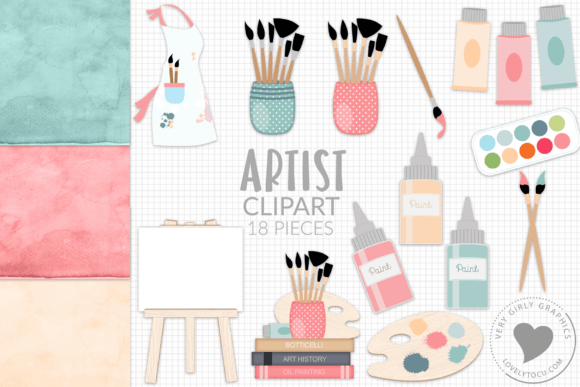
Artist Clipart Graphics: Your Secret Weapon for Creative Projects
When you’re building a brand or crafting a personal project, the details matter. You need design assets that don’t just look good, but actually work with your workflow. That’s where high-quality clipart comes in. We aren't talking about the pixelated, cheesy images from the early internet days. We are talking about modern, professional-grade illustration sets designed for serious creators. Artist Clipart Graphics represents a specific category of digital assets that bridges the gap between complex vector illustration and easy-to-use design elements. These are the tools that help entrepreneurs, bloggers, and designers create visual consistency without spending hours on custom artwork.
The Versatility of PNG and Transparent Backgrounds
One of the most critical features of any digital design asset is the file format. When you are dealing with Artist Clipart Graphics, the standard delivery is the PNG file format. This is crucial for modern design workflows. Unlike JPEGs, which lock your image into a rectangular box with a solid background (usually white), PNG files support transparency. This means the background is removed entirely, leaving only the actual graphic.
Why does this matter? It matters because it gives you total creative freedom. If you are designing a planner page, you can place a floral element directly onto a textured paper background without a white box covering up your design. If you are working on social media graphics, you can layer these illustrations over photos or colored blocks seamlessly. The transparent background ensures that the clipart integrates naturally into your composition. It behaves like a sticker you can peel and place anywhere, which is perfect for packaging design, digital invitations, and website headers. This flexibility is non-negotiable for anyone serious about graphic design.
Understanding the Visual Style and Appeal
So, what exactly are you getting with these assets? Artist Clipart Graphics usually falls into a specific aesthetic niche. Often, these sets feature hand-drawn elements, watercolor textures, or crisp digital illustrations. They possess a personality that stock photography often lacks. They feel curated and intentional.
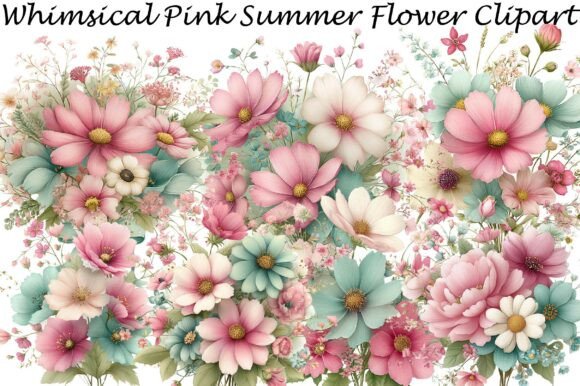
Imagine a set of botanical elements. A low-quality stock image might look stiff and generic. A high-quality clipart set, however, will have varying line weights, subtle texture, and a cohesive color palette. This visual personality is what elevates a project from "homemade" to "professionally designed." Whether you are working on a logo design for a boutique shop or creating assets for a lifestyle blog, these graphics provide that "human touch" that audiences connect with. They add warmth and character to editorial design, making the content feel more approachable and engaging.
Practical Applications: From Planners to Business Media
The utility of these graphics spans a massive range of projects. For the planner community and crafters, the use case is obvious. You can print these graphics onto sticker paper to create custom planner stickers, or use them to decorate scrapbook pages. The high resolution ensures they print crisp and clean, whether you are using a home printer or a professional print service.
However, the application goes far beyond paper crafts. Small business owners and marketers can leverage these assets for business media. Think about your Instagram feed. Consistent visual branding is hard to maintain when you rely solely on photos. Clipart allows you to create branded quote graphics, sale announcements, or story highlights that look cohesive. You can drop a relevant illustration into a blog post to break up text and improve readability. In web design, these elements can serve as icon replacements or decorative accents that guide the user’s eye down the page.
Elevating Brand Identity and Visual Hierarchy
Using a consistent set of Artist Clipart Graphics is a powerful strategy for brand identity. When you use the same style of illustration across your website, your emails, and your physical packaging, you create a visual language. Customers start to recognize your style before they even read the text. This builds trust and professionalism.
In terms of visual hierarchy, illustrations help guide the viewer. If you have a long block of text, a small graphic can act as a visual anchor. It draws the eye and breaks the monotony of the page. This is a fundamental principle of modern typography and layout design—you need visual relief to keep the reader engaged. Whether you are pairing these graphics with a bold display font for a headline or a clean sans serif font for body text, the right imagery ties the composition together.
Choosing and Testing Your Assets
When you are ready to invest in design assets, don't just download the first thing you see. Treat the selection process like you would choosing a premium font or a typeface for a major campaign. Here is a practical checklist for evaluating your purchase:
- Check the Resolution: Ensure the PNGs are high-resolution (300 DPI is standard for print). You want them to look sharp on a retina screen and in print.
- Color Palette Consistency: Look at the set as a whole. Do the colors match? If you buy a "Spring" set, you don't want one flower to be neon pink and the other to be muted pastel unless that is the specific style.
- Layering Potential: Since they have transparent backgrounds, try layering them. Do they look good stacked on top of each other? Do they work over dark backgrounds as well as light ones?
- Commercial Licensing: This is vital for entrepreneurs. Read the license. Can you use these on products you sell, like T-shirts or mugs? Most standard licenses cover this, but you must verify before you go to production.
Pairing Graphics with Typography
A common mistake is treating imagery and text as separate entities. They are partners. If your Artist Clipart Graphics are whimsical and hand-drawn, pairing them with a stiff, corporate serif font might create a jarring contrast. Conversely, pairing them with a handwritten font or a script font usually creates a harmonious, organic feel.
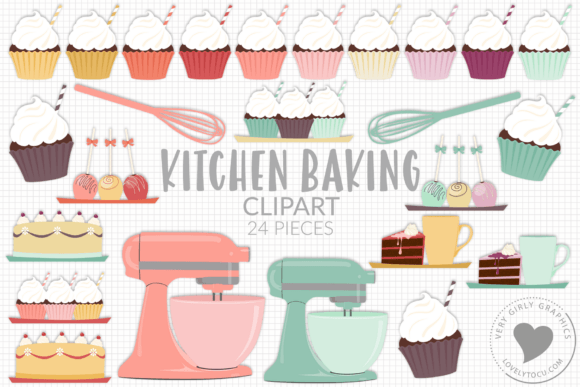
Consider the mood. If you are designing a menu for a bakery, soft watercolor clipart pairs beautifully with a legible sans serif font for the item descriptions, perhaps accented by a script font for the headers. The goal is font pairing that feels balanced. The graphics should support the text, not compete with it. Test your layouts. Place the text next to the graphic. Is there enough whitespace? Does the graphic distract from the message? This testing phase is where good design becomes great design.
Final Thoughts on Creative Assets
Artist Clipart Graphics are more than just "cute pictures." They are functional design assets that solve problems. They save time for the busy content creator who can't illustrate from scratch. They provide consistency for the brand strategist trying to build a visual identity. They offer delight for the hobbyist making a gift for a friend.
By focusing on high-quality formats like PNG files with transparent backgrounds, you ensure that your work remains professional and adaptable. Whether you are publishing a book, launching a digital product, or simply organizing your life with a planner, these graphics provide the polish and personality that makes your work stand out. Focus on quality, test your pairings, and let these assets do the heavy lifting for your visual storytelling.